Practical Tools
for Staying Organised
Useful guidance for freelancers and sole traders in Portugal who want to build better habits around their financial records — whether or not you use TrueDatarium.
Small habits that prevent
large headaches.
The most common reason freelancers and sole traders fall behind on their records isn't laziness — it's the absence of a system. Without a consistent routine, even a few weeks of neglect can turn into months of backlog.
This page offers practical guidance on building the kind of simple, sustainable habits that keep your records manageable. These aren't accounting techniques — they're organisational practices that anyone can implement, regardless of their accounting knowledge.
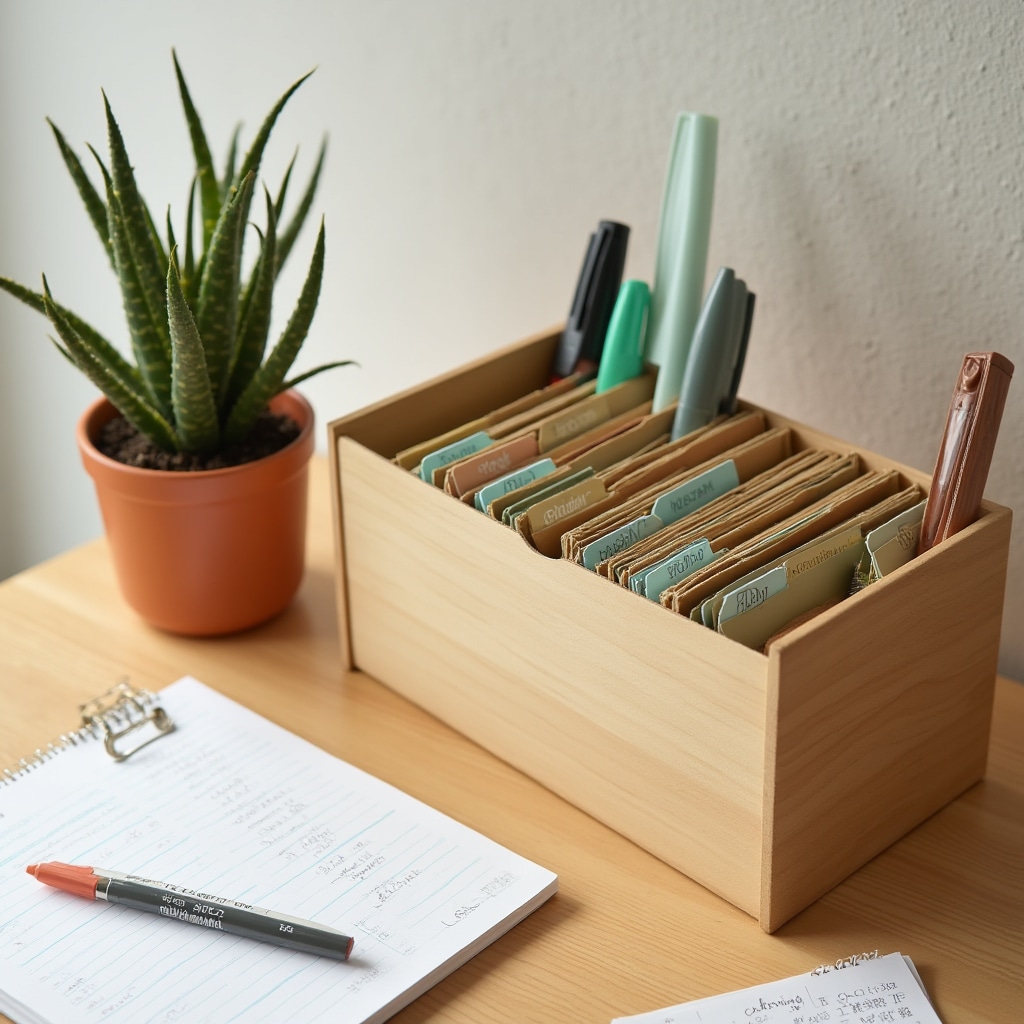
The basics that make the difference
Photograph receipts immediately
The moment you receive a paper receipt — at a restaurant, petrol station, shop — photograph it before you pocket it. Paper receipts fade, crumple and disappear. A phone photo takes three seconds and lasts indefinitely.
Use a dedicated email folder
Create a filter in your email that automatically moves any message containing words like "fatura", "recibo", "invoice" or "receipt" into a dedicated folder. This takes ten minutes to set up and saves hours of searching later.
Keep business spending separate
If you don't already have a separate bank account or card for business expenses, this is the single most impactful change you can make. Mixing personal and business transactions creates significant extra work at reconciliation time.
Set a weekly fifteen-minute slot
Block fifteen minutes every Friday to move that week's receipts and documents into your submission folder. Fifteen minutes weekly is far less painful than three hours at month end — and infinitely less painful than a full quarter of backlog.
Add notes to unusual expenses
When you buy something for a specific purpose — a business meal, a tool for a project, a course — make a quick note of the business reason at the time. Six months later, neither you nor your contabilista will remember why you spent €85 at a hardware shop.
Download bank statements monthly
Log into your business bank account on the first working day of each month and download the previous month's statement. Save it with a clear filename: "BankName-YYYY-MM.pdf". This simple habit means you always have what's needed for reconciliation.
What to send us
each month.
When you work with TrueDatarium, this is the standard set of documents we need each month to do our work. Having these ready makes the process smooth and ensures your file is delivered to your contabilista on time.
Monthly Document Checklist
- All receipts (photographed or digital) for the month
- Bank statement(s) for all business accounts
- Any supplier invoices received
- Any sales invoices you issued (faturas)
- Credit card statements (business cards)
- Notes on any unusual or large expenses
- Any correspondence from the Autoridade Tributária
- Payroll records (if applicable)
Not everything on this list applies to every business. We'll confirm exactly what we need based on your situation during onboarding.
IVA basics for sole traders and freelancers
This is general informational context about how IVA works in Portugal — not accounting advice. Your contabilista certificado is the correct person to advise you on your specific IVA obligations.
IVA Filing Periods
In Portugal, IVA (Imposto sobre o Valor Acrescentado) is generally filed quarterly for smaller businesses and monthly for larger ones. The quarterly deadlines fall in May, August, November and February, covering the preceding three-month period. Your contabilista determines which regime applies to you.
IVA Rates
Portugal applies three standard IVA rates on the mainland: the normal rate of 23%, a reduced rate of 13% and a minimum rate of 6% for specific categories. Different rates apply in the Azores and Madeira. Your contabilista advises on which rate applies to your specific goods or services.
IVA Exemptions
Some freelancers and sole traders are exempt from IVA under Article 53 of the CIVA if their annual turnover falls below a certain threshold. Exemption status affects how you issue invoices and what records you need to keep. Your contabilista can confirm whether you qualify.
Why Records Matter for IVA
Accurate IVA returns depend on complete, correctly categorised records of both income and deductible expenses. Disorganised records create risk of errors in IVA declarations. Well-organised records — which is exactly what TrueDatarium provides — give your contabilista what they need to file accurately.
The information above is general and informational only. It does not constitute accounting or tax advice. Consult your contabilista certificado for guidance specific to your situation.
Ready to hand the organising
work to someone else?
These habits help, but the most reliable solution is having a system in place. TrueDatarium takes the monthly organising work off your plate so you can focus on your actual business.
Get in Touch